
When a monsoon storm knocks out the power on a 110-degree afternoon, your air conditioning system goes quiet, your fridge starts losing its chill, and your house gets hot fast. Pathway Electric provides generator installation in Tucson, AZ, and beyond, setting homeowners up with backup power that kicks in automatically when the grid goes down. From sizing the system to finding a good spot and wiring it safely, we'll handle the details.
Pathway Electric is a licensed electrical company based in Tucson, AZ, that installs residential generators for homeowners in nearby areas. Our generator work centers on Generac standby units and includes automatic transfer switch installation, unit replacement, backup power planning, and routine upkeep.
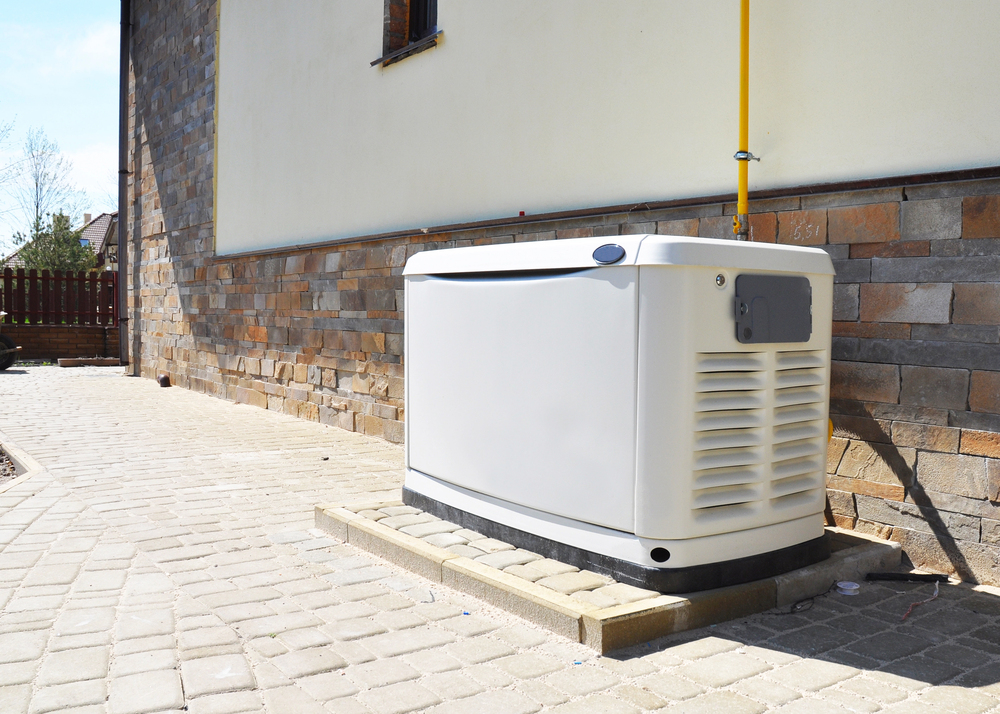
Power outages in Tucson tend to hit when you can least afford them. Monsoon storms roll through with lightning, high winds, and dust, and a single downed line can leave a neighborhood dark for hours. Without power, your AC stops, food starts to spoil, and anyone relying on medical equipment or a well pump is suddenly in a tough spot.
Most outages start outside your home, from storm damage, heat waves that strain utility equipment, or scheduled maintenance on the grid. The usual fallback is a portable generator, but it needs refueling, a tangle of extension cords, and a spot at least 20 feet from the house, away from windows and doors, to avoid carbon monoxide poisoning. Plugging one into a wall outlet to run your home's circuits is even riskier. Electricians call that backfeeding, and it can send electricity onto utility lines where crews are working.
A licensed electrician starts by sizing a generator based on what you need to keep running, and in Tucson homes, central AC usually drives that number, since the compressor draws a large surge of power every time it starts. Next comes the choice between a whole-house generator and a smaller unit that covers only the essentials. A standby system also needs a level pad that meets the manufacturer's clearance requirements, a natural gas or propane fuel source, and an automatic transfer switch that safely separates your home from the utility grid. Expect permits and an inspection as part of the job.
Once everything's in place, the automatic transfer switch senses an outage and starts your backup generator, usually within seconds, and switches back to utility power when the grid returns. You won't need to haul fuel cans or run cords, and the house stays cool while the rest of the street waits for the lights to come back on.
Here's a closer look at the generator installation work we handle for Tucson-area homes and what each part involves.
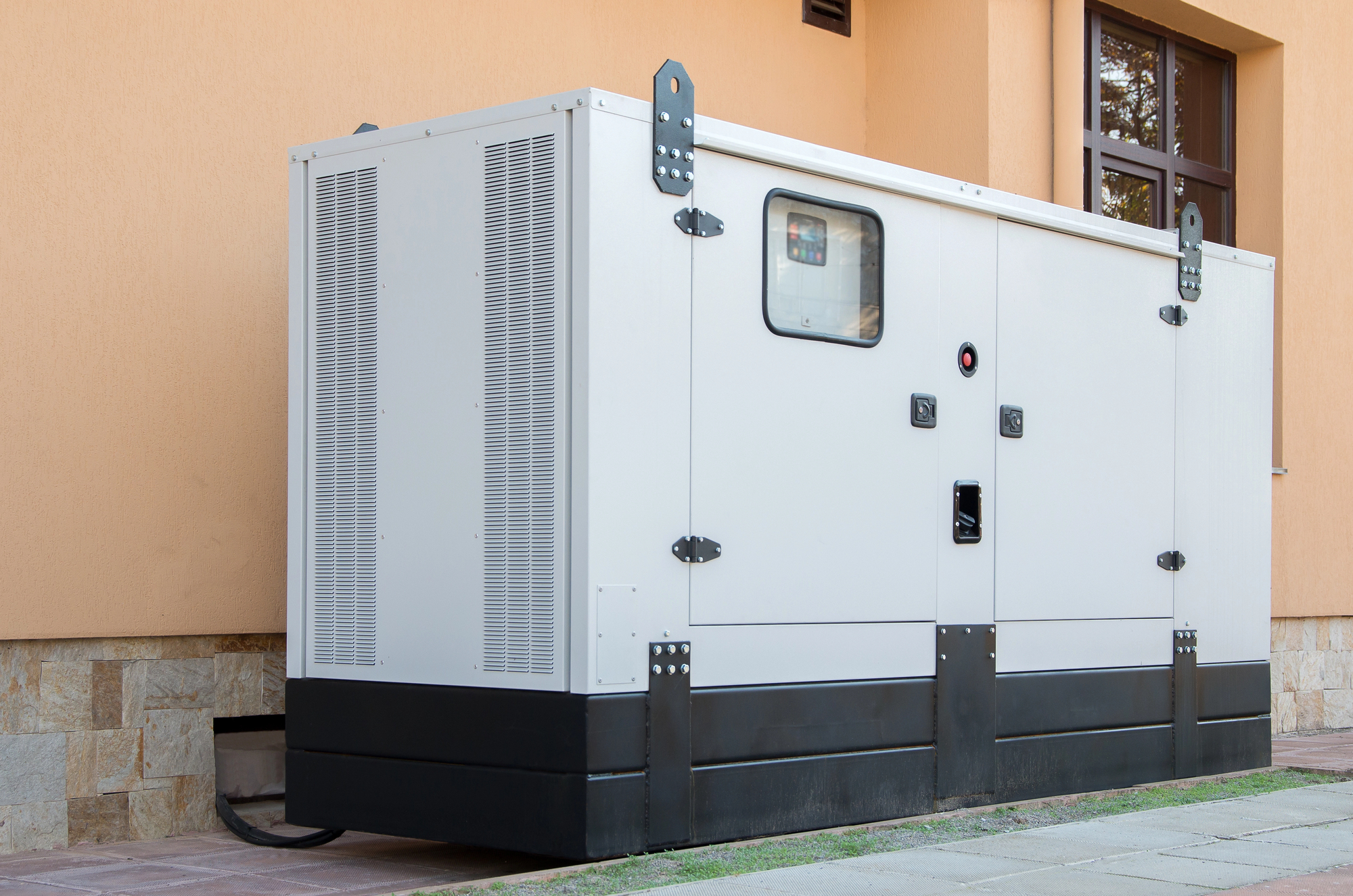
Arizona's monsoon season officially runs from June 15 through September 30, bringing the lightning, wind, and dust behind many of Tucson's summer outages. Scheduling an install in the cooler months leaves time for permits, fuel hookups, and inspections before summer arrives. Storm preparedness is part of our generator services, and getting your unit serviced in the spring helps make sure it's ready for the first big outage.
Generac generators are our preferred choice for home backup, and the brand is one of the best-known names in standby power. Its home standby models run on natural gas or propane and perform self-tests on a regular schedule, so problems show up before you ever need them. Many newer models also connect to Generac's Mobile Link app, which lets you check on the generator from your phone.
A standby home generator sits outside on a pad, connects to your fuel supply, and starts automatically when the power drops. Placement matters, since manufacturers and local codes set minimum distances from openings and walls, and the unit needs easy access for service. We'll help you pick a spot that meets those requirements, keeps the equipment out of the way, and works with any homeowners association rules in your neighborhood.
A whole-home generator has enough capacity to run everything at once, including central AC, an electric range, and the laundry. It's the most convenient option for Tucson summers, though it means a larger unit, and homes on natural gas sometimes need the gas company to install a bigger meter. Running a load calculation first keeps you from buying a generator that's too small to start the AC or too big for your home's needs.
Not every home needs to keep all its circuits powered during an outage. An essential-circuit setup powers the things that matter most, like the fridge, lights, Wi-Fi, a well pump, or a window AC, with less equipment and a simpler install. Load management modules can also stretch a mid-sized generator further by briefly shutting off other big appliances while the AC runs, and we can walk you through which approach fits your household.
The transfer switch is what makes a standby generator hands-free. It detects an outage, isolates your home from the utility line, and signals the generator to start. Wiring it into your panel is a job for a licensed electrical contractor, since a mistake here can put utility crews at risk or damage your equipment.
Older units can become unreliable, require hard-to-find parts, or fall short after you add a pool pump or a second AC system. A generator replacement lets you move up to a newer Generac model that fits how your home uses power today. We'll remove the old unit and check whether the existing transfer switch and wiring can handle the new one.
Regular generator maintenance includes oil and filter changes, battery checks, and inspections of connections and fuel lines. Tucson's dust can clog air filters faster than you'd expect, so keeping weeds and debris cleared away from the unit helps, too. A yearly checkup is a smart habit, along with the service intervals in your owner's manual.
A home that runs smoothly starts with wiring you never have to think about. Our residential electrical services include outlet and switch installations, dedicated circuits, home inspections, and general maintenance to help keep your home in good condition.
Did an inspection flag a few problems at your building? Our commercial electrical services include code corrections, troubleshooting, and lighting repairs that help get your small commercial space back on track.
Half the living room went dark, but the rest of the house is fine. That kind of mystery is exactly what our electrical repairs and service calls are for, whether the culprit is a loose connection, a worn-out switch, or a failing breaker.
Rust on the panel cover, a faint burning smell, or a breaker box with no empty slots left are all signs it may be time for a change. Our electric panel upgrades and service upgrades give your home a safer, roomier panel with the capacity to handle new appliances and equipment. We'll take care of everything from removing the old panel to the final code check.
A standard 120-volt outlet adds only a few miles of range per hour, while a Level 2 charger on a 240-volt circuit can add many times that. Our electric vehicle (EV) charger installation service gets you faster charging at home or work, with a dedicated circuit and the charger of your choice.
Building from scratch makes it easy to plan for an EV charger, hot tub, or extra garage circuits down the road. Our new construction electrical services include complete installations for homes, multifamily properties, and commercial spaces, including panels, lighting, outlets, and smoke detectors.
Knocking down a wall to open up the kitchen usually means relocating any outlets and switches that were in it. Our electrical remodeling and additions include rewiring, new lighting, ceiling fans, and bathroom circuits for the updated space.
Your generator needs to work the one time it really counts, so here's what stands behind every install we do.
Under the Arizona Registrar of Contractors' CR-11 classification, we're licensed for both residential and commercial electrical work.
Every veteran we work with gets 10% off, a small gesture of gratitude for their service.
Generac leads the way for our generator installs, while Square D and Siemens round out the panels and breakers we trust.
Each installation includes a two-year workmanship and labor warranty that complies with Arizona requirements, plus any applicable manufacturer warranties, though terms vary based on the work and equipment involved.
Yes, a standby generator in the Tucson area almost always needs permits, usually for both the electrical work and the fuel connection. The City of Tucson, Pima County, and nearby towns like Marana and Oro Valley each handle their own permits, and inspectors check placement, wiring, and the transfer switch. Many neighborhoods also have homeowners association rules regarding where generators can be placed, so check them before installing one.
Schedule maintenance in the spring, before the monsoon season starts on June 15, so the oil, filters, and battery are fresh when storms hit. Clear away weeds, debris, and anything stored near the unit, and if you rely on propane, make sure the tank has plenty of fuel. It's also smart to confirm that the generator's regular self-test is running and that the controller isn't showing any warning lights or alerts.
Many standby generators last 20 years or more with regular maintenance, though heavy use and harsh conditions can shorten that lifespan. Tucson's heat and blowing dust wear down air filters, batteries, and engine parts faster, which makes skipping service a bigger risk here. Frequent breakdowns, trouble starting, or hard-to-find parts are signs that replacing the generator may make more sense than another repair.
A standby generator is usually the better fit, since it starts automatically and can keep central AC running during long summer outages. A portable generator works for brief power losses and smaller loads, but it needs refueling, extension cords, and a safe spot at least 20 feet from the house. Most portables also can't handle central AC, which makes them a tough choice during a 110-degree blackout in Tucson.
Many Tucson homes with central AC need a backup generator in the 20–26-kilowatt (kW) range to run everything, while an essential-circuit setup often works with a smaller unit in the 10–14 kW range. The size of your cooling system, electric appliances like ranges and dryers, pool pumps, and well pumps all affect that number. A load calculation from a licensed electrician gives you the right size for your home, so you don't end up with a generator that can't start the AC.
FAQs reviewed by Caleb Salisbury, owner of Pathway Electric, a licensed and local electrician serving Tucson, AZ, and beyond.
Don't wait for the next monsoon outage to start thinking about backup power. Reach out to us now to schedule an estimate for your new generator.
Business Name: Pathway Electric
Address: Tucson, AZ, 85743
Phone: 520-780-8711
Business Hours:
Mon - Fri: 8:00 AM to 5:00 PM
Sat-Sun: Closed
Emergency Service Available
We honor those who serve. Veterans save 10%.
We honor all applicable manufacturer warranties and stand behind our workmanship and labor with a two-year warranty, in accordance with state requirements. Warranty terms and conditions may vary depending on the work performed and products installed.